Steinmetz Decoded
Source text, diagrams, mathematics, and careful interpretation
Read Steinmetz Without Getting Lost

Charles Proteus Steinmetz, Library of Congress Bain Collection. Public-domain / no known U.S. publication restrictions via Wikimedia Commons.
Choose Your Door
Section titled “Choose Your Door”Study Cockpit
Section titled “Study Cockpit”Open the processed book and lecture transcripts in the enhanced reader.
TraceConcept EncyclopediaMove from a term to the passages, equations, diagrams, and comparison layers that support it.
SeeVisual Topic GalleriesUse original crops and recreated diagrams as a map into the texts.
CalculateEquation AtlasBrowse formula candidates by family and keep OCR status visible while reviewing them.
The Main Reading Path
Section titled “The Main Reading Path”If you are new, use this path once. It avoids the research machinery until you need it.
1. Meet Steinmetz
Start with the man, his work at General Electric, his role in AC power, and why his older electrical language still matters.
2. Read A Primary Text
Read Lecture I directly before opening commentary. Let Steinmetz’s own sequence land first.
3. Decode What You Read
Then open the curated explanation page with source notes, modern translation, math, visuals, and labeled interpretation.
4. Choose The Next Trail
Continue by concept, book, diagram, formula, or tool. The deeper ledgers are still present, but they no longer need to be the reader’s first experience.
What This Site Protects
Section titled “What This Site Protects”Original text, scans, OCR status, source links, and page references stay visible.
Original notation is kept where possible, then translated into modern engineering language.
Modern readings, Tesla-era comparisons, and ether-field interpretations are separated from what Steinmetz explicitly states.
Visual Starting Points
Section titled “Visual Starting Points”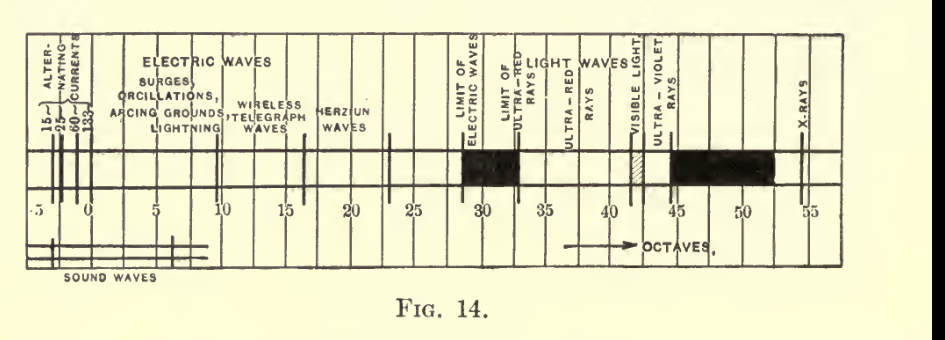
Electric waves, visible light, ultraviolet, and X-rays placed into one spectrum.
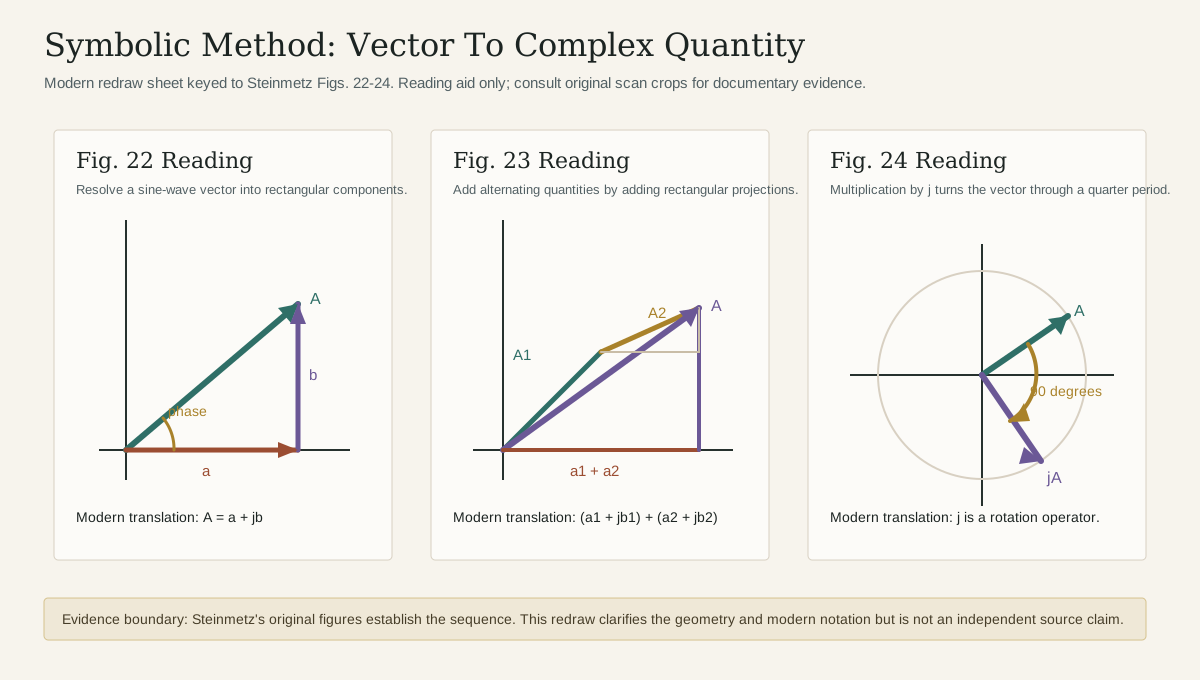
Complex quantities, rectangular components, phase, and the operator j.
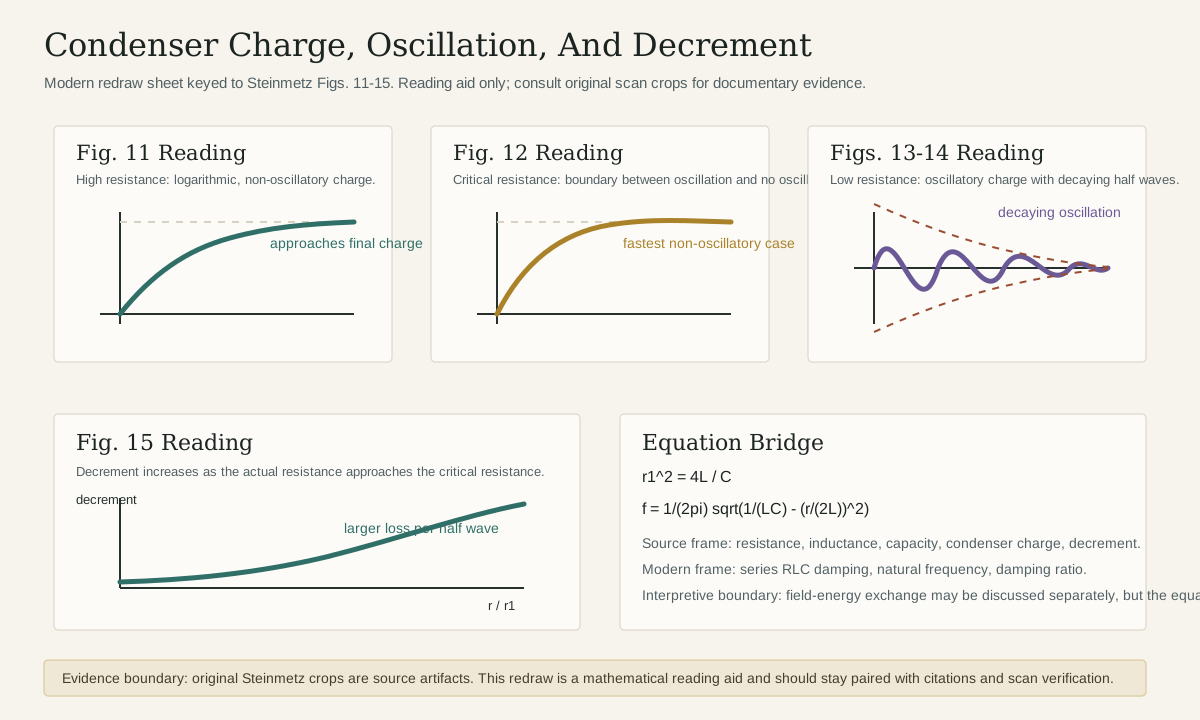
Charge, discharge, damping, oscillation, and decrement.
For Researchers And Contributors
Section titled “For Researchers And Contributors”The archive still contains the serious machinery: completion audits, evidence ledgers, concept concordances, formula maps, visual maps, source dashboards, citation exports, and canonical review queues. Those are now gathered under Research Operations so they support the reading experience instead of burying it.